Fly Screens for the Home: What to Know Before Summer
As spring moves towards summer, many homeowners begin opening windows and doors more frequently to let fresh air circulate through the home. Warmer evenings, brighter mornings and improved airflow all make natural ventilation more appealing.
However, open windows can also invite unwanted visitors. Insects become more active as temperatures rise, and even in the UK, flies, midges and wasps can quickly become a nuisance indoors.
This is where fly screens come into consideration.
Modern fly screens allow airflow while helping to keep insects outside. They improve comfort without sealing up the home.
Before installing them, it helps to understand how they work, what types are available and where they perform best.
Why Fly Screens Become More Relevant Before Summer
During cooler months, windows tend to remain closed for longer periods. As temperatures increase, however, natural ventilation becomes more desirable, particularly in kitchens, bedrooms and garden-facing rooms.
Opening windows improves airflow, yet it also increases the likelihood of:
✅ Insects entering during the evening
✅ Pollen drifting indoors
✅ Bugs attracted to interior lighting after sunset
✅ Debris blowing in on warmer days
For many households, this balance between ventilation and protection becomes more noticeable as summer approaches.
Fly screens solve that problem by acting as a barrier. They allow air to pass through while reducing insect entry.
How Fly Screens Work
At their core, fly screens are mesh barriers fitted across windows or door openings. The mesh features small openings that limit insects entering while still allowing airflow and visibility.
Because they sit between the indoor space and the outside environment, they create a controlled ventilation system without the need to close the window entirely.
Modern systems are often:
✅ Slim and discreet
✅ Custom-made to fit specific openings
✅ Designed to retract or slide away when not in use
✅ Suitable for windows, patio doors and bifold doors
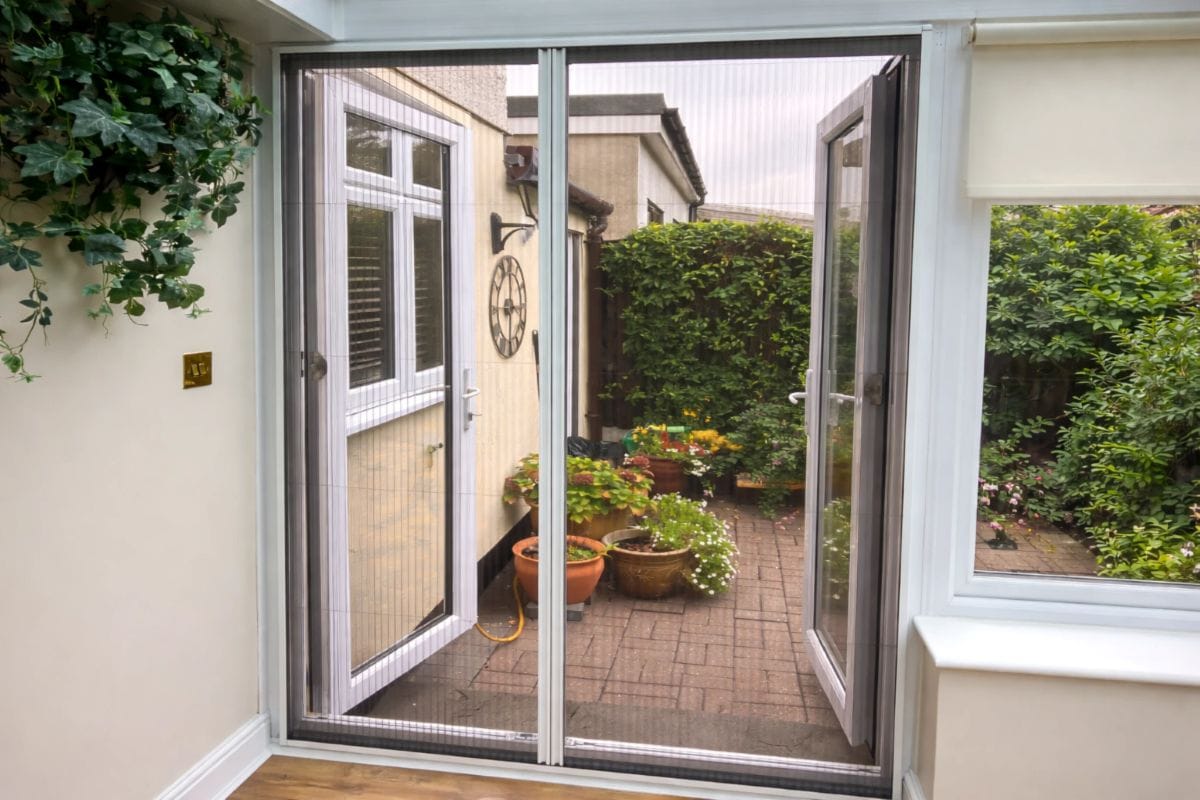
Some integrated systems, such as Blind Screen, sit neatly within the frame itself. They provide insect protection while maintaining a clean, unobtrusive finish.
Choosing the Right Type of Fly Screen
There are several different styles of fly screens available on the market, ranging from fixed frame panels to sliding or retractable systems. The right choice often depends on the size of the opening, how frequently it’s used and how discreet you want the installation to appear.
Many modern homes, especially those with uPVC windows or glazed doors, now use integrated systems. Rather than attaching a bulky external frame, these designs are made to sit neatly within the existing structure of the window or door.
One example is Blind Screen. This discreet, made-to-measure system provides insect protection while maintaining a clean, streamlined appearance. Because it integrates carefully into the opening, it allows windows and doors to function normally while helping to reduce unwanted insects entering the home.
The most suitable solution will always depend on the layout of the property, the type of opening and how frequently the space is ventilated.
Where Fly Screens Work Best in the Home
Fly screens can be particularly useful in rooms where ventilation increases during warmer months. While every home is different, certain areas tend to benefit more than others.
Bedrooms: Warmer nights often mean windows stay open for longer periods. In bedrooms, this can improve airflow and comfort, especially during the early hours. A discreet fly screen allows fresh air to circulate while helping to reduce insects entering when lights are on after sunset.
Kitchens: Kitchens frequently require ventilation when cooking. Opening windows helps release heat and odours, yet it can also attract flies during spring and summer. A fitted screen provides airflow without leaving the opening fully exposed.
Patio and Bifold Doors: During brighter months, garden-facing doors are often opened to connect indoor and outdoor spaces. In these areas, a well-fitted screen can help maintain that open feel while reducing the likelihood of insects entering from outside.
Garden-Facing Living Areas: Rooms that overlook gardens or greenery may experience increased insect activity as temperatures rise. Adding a screen can support ventilation without compromising comfort.
Ultimately, fly screens are most beneficial where windows and doors are opened regularly and where seasonal insect activity is more noticeable.
Things to Consider Before Installing Fly Screens
While fly screens can improve comfort during warmer months, they are not always a one-size-fits-all solution. Before installing them, it’s worth thinking about a few practical factors.
Window and Door Type: Not every opening suits every style of screen. The size of the frame, how the window opens and how frequently it’s used will all influence which system is most appropriate.
Ventilation Habits: Fly screens are most beneficial in homes where windows and doors are opened regularly. If ventilation is limited or rarely used, the added benefit may be less noticeable.
Visibility and Light: Although modern mesh is designed to remain discreet, any screen will slightly soften the view when looking out. In most cases this is minimal, but in rooms where uninterrupted views are a priority, it’s something to consider.
Maintenance: Like any mesh surface, fly screens may collect dust or pollen over time. Occasional cleaning helps maintain airflow and visibility.
Pets:If you have pets, consider how they may interact with a fly screen. While designed to sit securely, fly screens are not intended to act as pet barriers.
Pollen and Air Quality: Standard insect mesh is designed to reduce insects rather than filter microscopic particles. While it may reduce some larger debris, it should not be considered a full pollen filtration system.
By thinking about how the space is used and what you expect from the screen, it becomes easier to decide whether the installation will genuinely improve day-to-day comfort.
Final Thoughts
As warmer weather approaches, natural ventilation becomes part of everyday comfort. Opening windows and doors allows fresh air to circulate, yet it can also introduce insects at the same time.
Fly screens provide a practical way to balance airflow with protection. When chosen carefully and fitted correctly, they help maintain comfort without permanently altering the structure of your windows or doors.
Systems such as Blind Screen integrate neatly into modern openings. They offer a discreet solution that supports both ventilation and appearance.
Ultimately, whether fly screens are right for your home depends on how often you open your windows, the layout of your space and how you prefer to manage seasonal comfort.
Considering Fly Screens?
If you’re thinking about adding fly screens before summer arrives, seeing how they operate in person can make a real difference. Understanding how the mesh looks, how smoothly the system moves and how it integrates within the frame is often easier when viewed first-hand.
At John’s Blinds, we supply and install Blind Screen systems designed to sit neatly within modern windows and doors. Because they are made to measure, they offer a discreet way to enjoy ventilation while helping to reduce insects entering the home.
Visit our Wickford showroom to see our fly screen systems in action and explore how they work on different window and door styles.
📞 01268 949255 | 📧 enquiries@johnsblinds.co.uk
👪From Our Family to Yours – Dressing Windows Since 1975
For over fifty years, we’ve helped homeowners across Essex find practical, well-considered window solutions. Careful measuring and thoughtful installation ensure each system performs as well as it looks.
📲Stay Connected
For more updates, inspiration and upcoming offers: