
Roman Blinds: A Complete Practical Guide for UK Homes
Homeowners often choose Roman blinds to add softness, texture and style to their windows. But while they can look beautiful, they’re not suitable for every room or every situation.
Our practical guide explains where Roman blinds work well, where they don’t, and what to consider before choosing them for your home – helping you make the right decision first time.
What Are Roman Blinds?
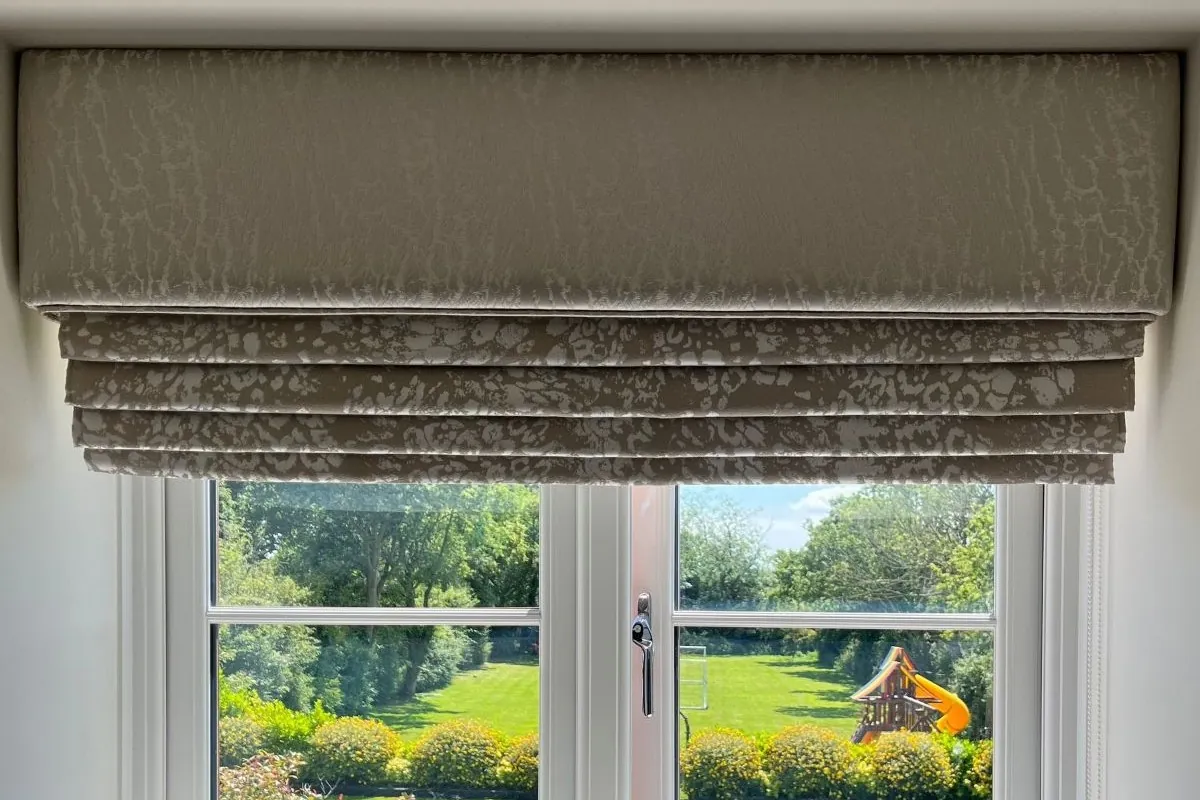
Roman blinds are fabric blinds that fold neatly into horizontal pleats when raised and sit flat against the window when lowered. Homeowners often choose them for their tailored appearance, sitting somewhere between a blind and a curtain in terms of style.
Most modern Roman blinds use chain operation and include child safety features as standard, in line with current UK regulations. For households where child safety is a priority, Roman blinds can also be automated, removing operating chains altogether for added peace of mind.
Available in a wide range of fabrics, linings and finishes, Roman blinds can look highly decorative, but their performance depends heavily on where and how you use them.
Where Roman Blinds Work Best
Roman blinds work best in rooms where appearance and softness are just as important as light control.
In particular, homeowners use Roman blinds successfully in:
Living rooms, where they add warmth and texture
Dining rooms, especially in more formal or styled spaces
Bedrooms, when combined with the right lining or a layered solution
Cloakrooms and WCs, where they provide privacy and softness without being exposed to heavy moisture
In these rooms, Roman blinds can act as a focal point, complementing furnishings and creating a finished, coordinated look.
Where Roman Blinds Don’t Work So Well
Despite their popularity, Roman blinds aren’t a universal solution.
In the following situations, Roman blinds do not work so well:
Bathrooms, due to moisture and humidity
High-steam kitchens, where fabric can absorb odours and moisture
Doors or frequently used windows, where repeated operation can become impractical
Very wide windows, where the weight of fabric can affect performance and longevity
Therefore, alternative blind types often perform better and last longer.
Night-Time Privacy: What You Need to Know
One of the most common considerations with Roman blinds is night-time privacy, particularly when lighter or screen-style fabrics are chosen.
During the day, these fabrics may provide adequate privacy. At night, however, internal lighting can create a silhouetting effect, where movement inside the room becomes visible from outside.
Becoming especially noticeable in:
Street-facing rooms
Ground-floor living spaces
Homes with external lighting
With a standard lining, some level of silhouetting can still occur once lights are on indoors. Choosing a blackout lining significantly reduces this effect, providing much higher levels of privacy after dark.
It’s also worth noting that when a Roman blind is raised, whether fitted inside or outside the window recess, the glass is fully exposed. This means there is no privacy at all once the blind is open, particularly in the evening when internal lights are on.
For this reason, layering a Roman blind with a secondary window covering, such as a discreet screen or roller blind, can provide greater flexibility, allowing privacy to be maintained even when the Roman blind is raised.
In situations where total privacy is essential, combining Roman blinds with another window covering, or selecting the correct lining from the outset, is key.
Are Roman Blinds Really Blackout?
You can specify Roman blinds with blackout lining, but it’s important to understand their practical limitations.
While blackout lining significantly reduces light passing through the fabric itself, Roman blinds:
Do not seal tightly against the window frame
Can allow light at the sides
May let light in around the headrail
Can allow small amounts of light through stitch lines, where the fabric and lining are sewn together
For bedrooms or spaces where total darkness is required, Roman blinds are often most effective as part of a layered solution, rather than used on their own.
Layering Roman Blinds with Roller Blinds
One of the most practical ways to use Roman blinds is by layering them with roller blinds.
A layering approach allows you to:
Use the Roman blind for daytime style and softness
Use a screen or light-filtering roller blind during the day to maintain privacy while still allowing natural light in
Rely on a blackout or privacy roller blind at night, if required
Maintain flexibility without compromising the appearance of the room
Layering also helps address the fact that when a Roman blind is raised, the window is fully exposed. A secondary roller blind allows privacy to be maintained during the day and evening, even when the Roman blind is open.
The Layering approach is particularly popular in bedrooms and living spaces where both looks and practical performance matter.
Roman Blinds vs Curtains
Roman blinds and curtains can create a similar visual effect, but they function differently and suit different situations.
Roman blinds:
Take up less space when raised
Sit neatly within the window area
Offer a more tailored, streamlined appearance
Curtains:
Provide better insulation when lined
Offer fuller coverage around the window
Are often better suited to large or draughty windows
The right choice depends on the room, window size, and how much insulation or coverage is required.
Best Rooms for Roman Blinds (Quick Summary)
Roman blinds tend to work best in:
Living rooms
Dining rooms
Bedrooms, with suitable lining or a layered solution
Cloakrooms and WCs, where moisture levels are low
Spaces where style is a priority
Rooms to Avoid
Roman blinds are usually a poor choice for:
Bathrooms, due to moisture and humidity
High-moisture kitchens
Doors and high-traffic areas, where frequent operation is required
Very wide windows, where fabric weight can affect performance
Alternatives If Roman Blinds Aren’t Suitable
If Roman blinds aren’t the right fit, there are several practical alternatives depending on the issue:
Roller blinds – discreet, practical and versatile
Perfect Fit blinds – ideal for uPVC windows and doors
Curtains – better for insulation and larger spaces
Plantation Shutters – durable, moisture-resistant and long-lasting
Choosing the right option often comes down to how the room is used, not just how it looks.
Final Thoughts: Choosing What Actually Works
Roman blinds can be a beautiful and effective window dressing when used in the right setting. Understanding both their strengths and limitations helps ensure long-term satisfaction and avoids disappointment later on.
At John’s Blinds & Curtains, we’ve been helping homeowners choose the right window solutions since 1975. We always base our advice on how a product will perform in your home, not just how it looks in a showroom.
If you’d like some honest, practical advice or help choosing the right style for your space, we’re here to help.
📍Visit to our Wickford showroom or get in touch to speak with one of our friendly experts about Roman blinds or any of our window dressing solutions.
✉️ enquiries@johnsblinds.co.uk
👪From Our Family to Yours – Dressing Windows Since 1975
For fifty years, John’s Blinds & Curtains has helped homeowners create beautiful, comfortable spaces – always with craftsmanship, care and a personal touch.
📲Stay Connected
For more updates, inspiration and behind-the-scenes content, follow us on: