Are Plantation Shutters a Good Choice for Spring and Summer Light?
As spring arrives and daylight hours begin to stretch, the way natural light enters your home changes noticeably. Rooms that felt comfortable during winter can suddenly feel brighter, warmer and sometimes more exposed.
Longer days, stronger sunlight and lower evening sun angles all affect how light behaves inside your space. Because of this, window dressings that worked perfectly in darker months may need to offer more flexibility as the seasons shift.
Many homeowners choose plantation shutters for their timeless appearance and precise light control. But how well do they perform when natural light becomes more intense during spring and summer?
Let’s explore how shutters manage brighter conditions, and whether they’re a practical choice for the warmer months.
How Spring and Summer Light Differs from Winter
During winter, natural light tends to be softer and more limited. In contrast, spring and summer bring:
☀️ Longer daylight hours
☀️ Stronger direct sunlight
☀️ Increased glare in south-facing rooms
☀️ Lower evening sun shining directly into living spaces
As a result, controlling brightness becomes less about blocking light completely and more about managing it effectively.
Adjustable window coverings can therefore make a meaningful difference.
How Plantation Shutters Control Light
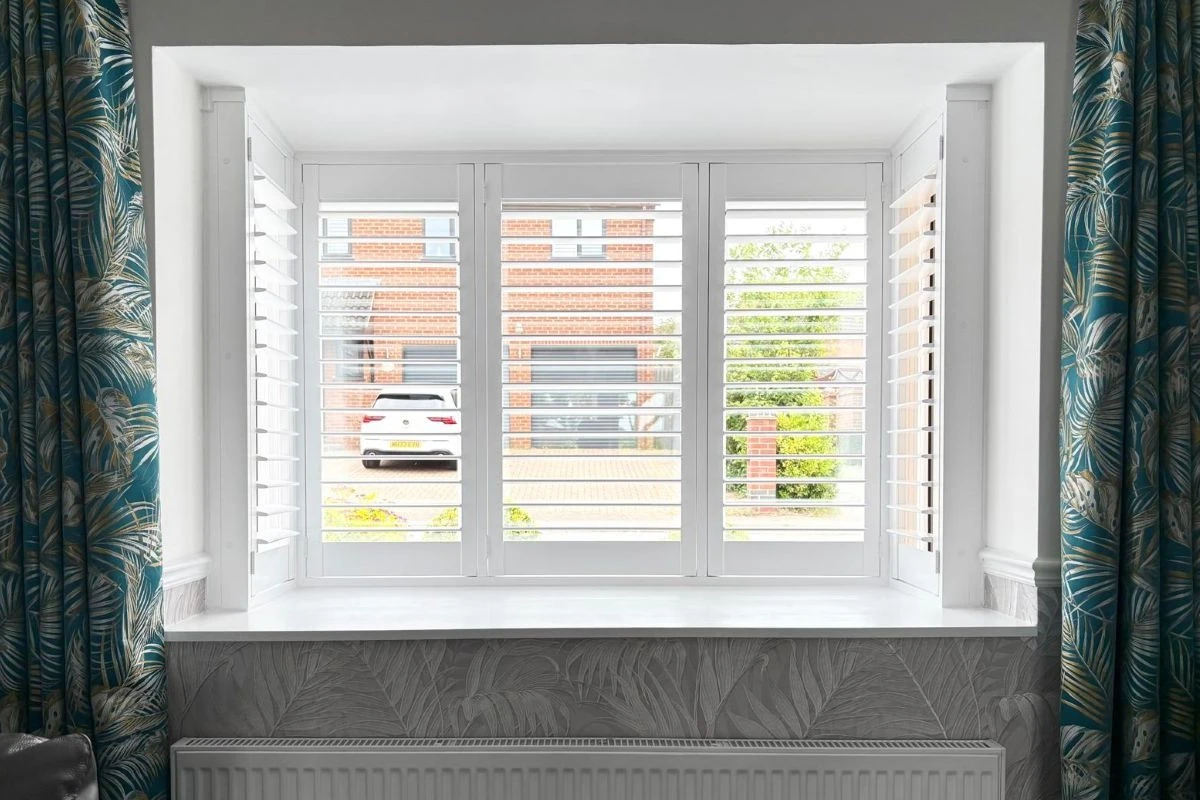
Unlike curtains or standard blinds that are typically either open or closed, plantation shutters allow you to tilt the louvres to control both light and privacy at the same time.
By adjusting the angle of the louvres, you can:
🔆 Reduce harsh glare while still allowing natural light into the room
🔆 Direct sunlight upward toward the ceiling to soften its intensity
🔆 Maintain privacy without darkening the entire space
🔆 Minimise low evening sun entering through patio or garden-facing windows
Because of this flexibility, shutters often work well in rooms that receive strong daylight throughout spring and summer.
Benefits of Plantation Shutters in Warmer Months
As temperatures rise and daylight increases, plantation shutters can offer several practical advantages beyond their appearance.
Glare Reduction Without Darkening the Room: In spring and summer, direct sunlight often creates uncomfortable glare, particularly in south-facing rooms. By tilting the louvres, you can soften harsh sunlight while still allowing natural brightness to fill the space. This helps maintain a light, airy feel without closing the room off completely.
Flexible Light Control Throughout the Day: Light conditions change from morning to evening. Shutters allow you to adjust the angle of the louvres as the sun moves, helping you manage brightness without constantly opening and closing window coverings.
Managing Low Evening Sun: In warmer months, the lower evening sun can shine directly into living rooms and kitchens. Adjusting shutter panels or louvres can redirect that light upward, reducing discomfort while preserving visibility.
Privacy with Daylight: In spring and summer, gardens become more active, which often increases the need for privacy, especially in overlooked areas. Plantation shutters allow you to maintain privacy while still enjoying natural daylight, rather than relying on fully closed curtains.
Ventilation with Structure: When windows are opened during warmer weather, shutters can still remain partially closed to maintain structure and privacy. This makes them useful in rooms where airflow and light both need to be managed carefully.
Things to Consider in Brighter Months
While plantation shutters perform well in spring and summer, they won’t suit every room or preference.
Some Light Is Always Filtered: Window shutters still have a frame and panel structure, even when the louvres are fully open. As a result, a small amount of natural light is always reduced compared to a completely uncovered window. In rooms where maximum daylight is essential, this is worth considering.
Heat Control Depends on Orientation: Plantation shutters help manage glare; however, they do not block solar heat in the same way as reflective blinds or specialist fabrics. In strongly south-facing rooms, additional shading solutions may sometimes be beneficial during peak summer periods.
Fixed Panel Design: Unlike some blinds that can be fully raised out of view, plantation shutters remain a permanent feature of the window. Many homeowners appreciate this architectural look; however, those who prefer completely unobstructed glass may lean toward alternative options.
Evening Light Levels: During longer evenings, rooms can feel darker sooner once shutters are closed. In spaces where you want to maintain maximum evening brightness, partial louvre adjustment may be preferable to full closure.
Finding the Right Balance
Ultimately, plantation shutters are best suited to homeowners who value adjustable light control and a structured, built-in appearance.
When positioned correctly and matched to the room’s orientation, they can provide a practical way to manage stronger seasonal light while maintaining privacy and style.
However, as with any window dressing, suitability depends on how the space is used and how much natural light you want to preserve.
Light, Airflow and Seasonal Comfort
As spring moves into summer, light control is only part of the picture. Warmer weather often means windows stay open for longer periods, especially in living rooms, kitchens and garden-facing spaces.
Plantation shutters can still remain partially closed while allowing airflow, which helps maintain privacy and structure. By tilting the louvres, you can balance ventilation with shade. This becomes increasingly useful as temperatures rise.
However, when windows are open more frequently, other considerations may come into play. Insects and pollen can become more noticeable during late spring and summer, particularly in the evenings.
For this reason, some homeowners choose to combine shutters with discreet fly screens. This allows fresh air to circulate while helping to reduce unwanted insects entering the home.
When used together thoughtfully, light control and ventilation can work hand in hand to improve comfort throughout the brighter months.
Final Thoughts
As daylight intensifies during spring and summer, window dressings need to offer flexibility rather than simply blocking light altogether.
Plantation shutters work particularly well during brighter spring and summer months thanks to their adjustable louvres and structured design. They allow you to soften glare, maintain privacy and manage shifting sunlight without closing the room off completely.
However, as with any window covering, suitability depends on the orientation of the room, how much natural light you want to retain and the overall look you prefer.
When installed thoughtfully and fitted correctly, shutters provide a practical and considered way to manage seasonal light while maintaining a timeless appearance.
Considering Plantation Shutters?
If you’re exploring plantation shutters and would like practical guidance on whether they suit your space, having the windows assessed properly can help ensure the right configuration and panel layout.
At John’s Blinds, we supply and install made-to-measure plantation shutters designed to complement both traditional and contemporary homes across Essex.
📞 01268 949255 | 📧 enquiries@johnsblinds.co.uk
👪From Our Family to Yours – Dressing Windows Since 1975
Established in 1975, John’s Blinds has now been helping homeowners across Essex for over 50 years, providing practical, well-considered window solutions.
📲Stay Connected
For more updates, inspiration and upcoming offers: